Projects
Due to non-disclosure agreements, I am unable to showcase all of my projects here. Rest assured, the data displayed in these projects does not contain any protected health information (PHI) as per HIPAA. Feel free to contact me for a discussion on my full range of work. Thank you for your understanding and support.
1: CorticoDB: Clinical Data Agent (Microservices AI app)
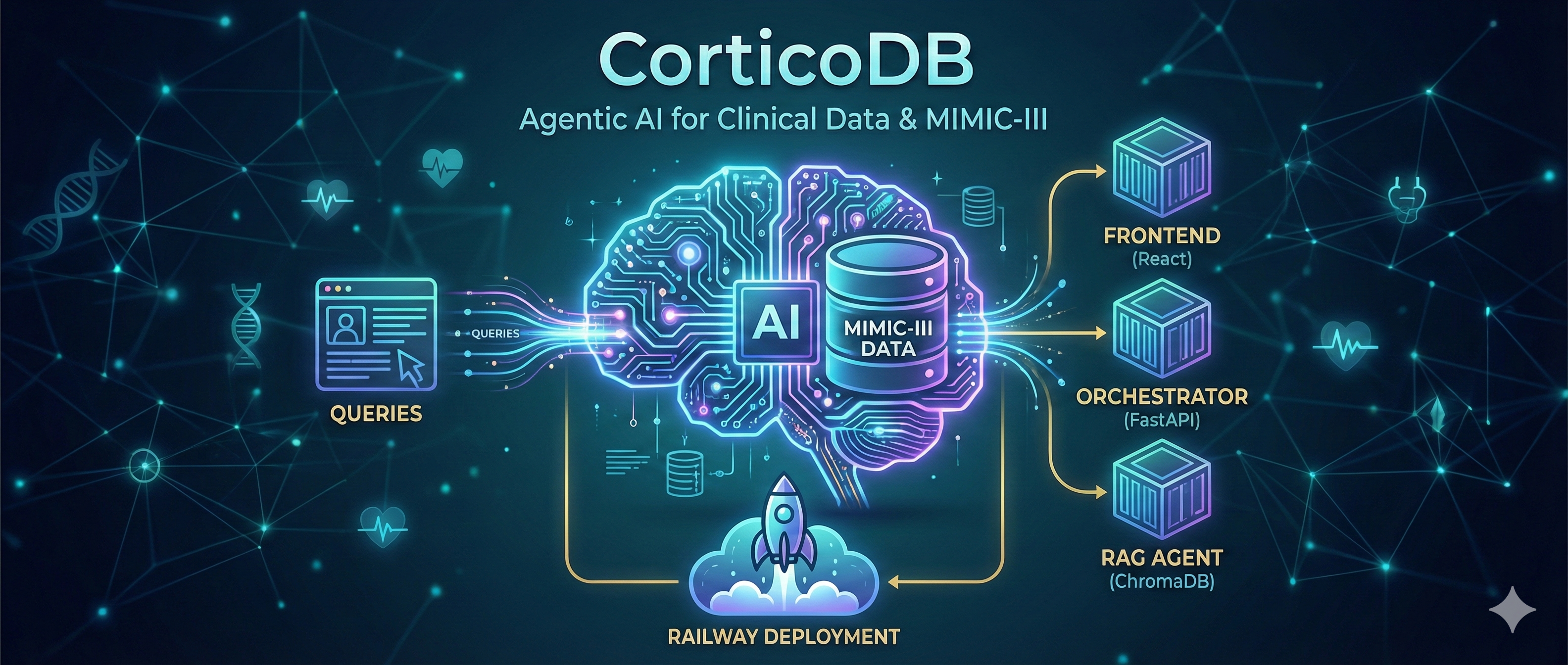
CorticoDB is an agentic AI platform designed to democratize access to complex clinical databases like MIMIC-III. Unlike standard chatbots, it uses a specialized Orchestrator Agent to intelligently query, generate SQL, and retrieve accurate patient data without hallucinations. Key features include:
- 🤖 Agentic Workflow: Decoupled Orchestrator and RAG agents for reasoning vs. retrieval.
- 🧠 Self-Healing Brain: RAG service automatically detects corruption and rebuilds its vector index on startup.
- 🏥 Clinical Domain Intelligence: Specialized knowledge of 26+ complex healthcare tables.
- 🛡️ BYOK Architecture: “Bring Your Own Key” security ensures user API keys are never stored server-side.
- 🚀 Production DevOps: Fully containerized with Docker and deployed via a multi-environment (Staging/Prod) CI/CD pipeline.
Built with: React, FastAPI, ChromaDB, OpenAI, Docker, GitHub Actions, and Railway. This project demonstrates Senior-level AI Engineering, moving beyond notebooks to a scalable, distributed cloud architecture. Continue reading, explore the app.
2: Grant Writing Assistant (RAG powered AI app)

The Grant Writing Assistant is an AI-powered RAG application built to support the NeighborhoodHELP (NHELP) program. It enables users to query, synthesize, and cite information from a custom knowledge base, making grant writing and program documentation more efficient and accurate. Key features include:
- 💬 Conversational AI with chat memory
- 📚 Dynamic ingestion from PDFs and live websites
- 🔎 Transparent citations from source documents
- ⚡ Streaming token-by-token responses
- 🛠️ Developer dashboard for prompt tuning and knowledge base management
- 🧩 Refactored into a microservices architecture using FastAPI, enabling modular deployment, scalability, and service isolation
Built with Streamlit, LangChain, OpenAI GPT, Pinecone, Docker, GitHub Actions and FastAPI, this project demonstrates modern MLOps practices including CI/CD, observability, and evaluation with Ragas. Continue reading, explore the app.
3: Multilingual Virtual Research Assistant (MVRA)
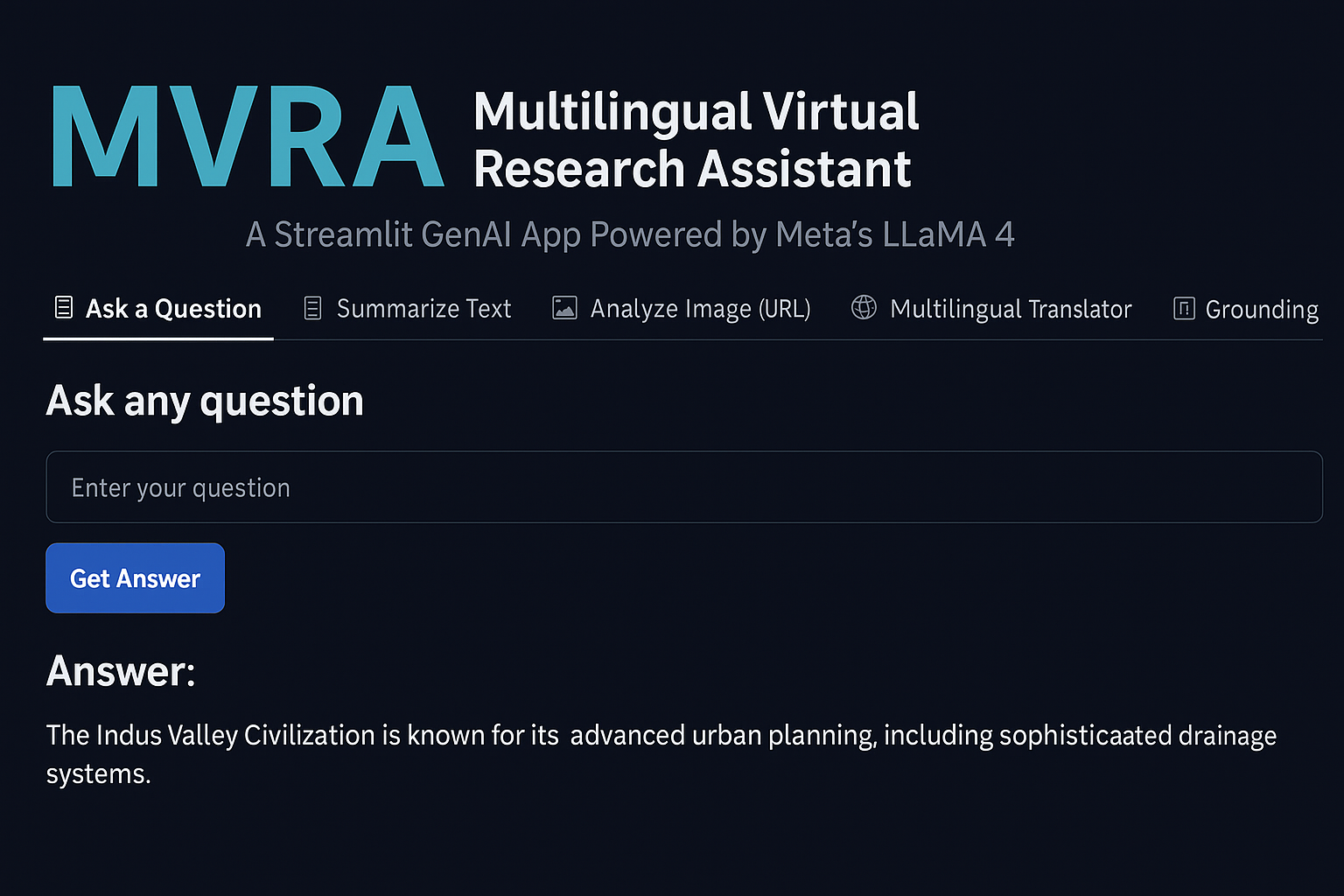
The MVRA application is a powerful multimodal AI assistant built with Meta’s LLaMA 4 and integrates advanced vision-language capabilities for research and education. Key features include:
- 🧠 Ask general questions and receive contextual answers
- 📰 Summarize long academic texts instantly
- 🖼️ Analyze and compare up to 9 images via URLs or file uploads
- 🌐 Translate messages between multiple languages interactively
- 🗂️ Perform image grounding with bounding boxes on uploaded files
Built using Python, Streamlit, LLaMA API, and modular utilities, MVRA demonstrates how LLMs can bridge language, vision, and text for multilingual, multimodal workflows.
Continue reading, explore the app and Github Repo. Thank you!
4: Multi-Agent Job Application Assistant Crew
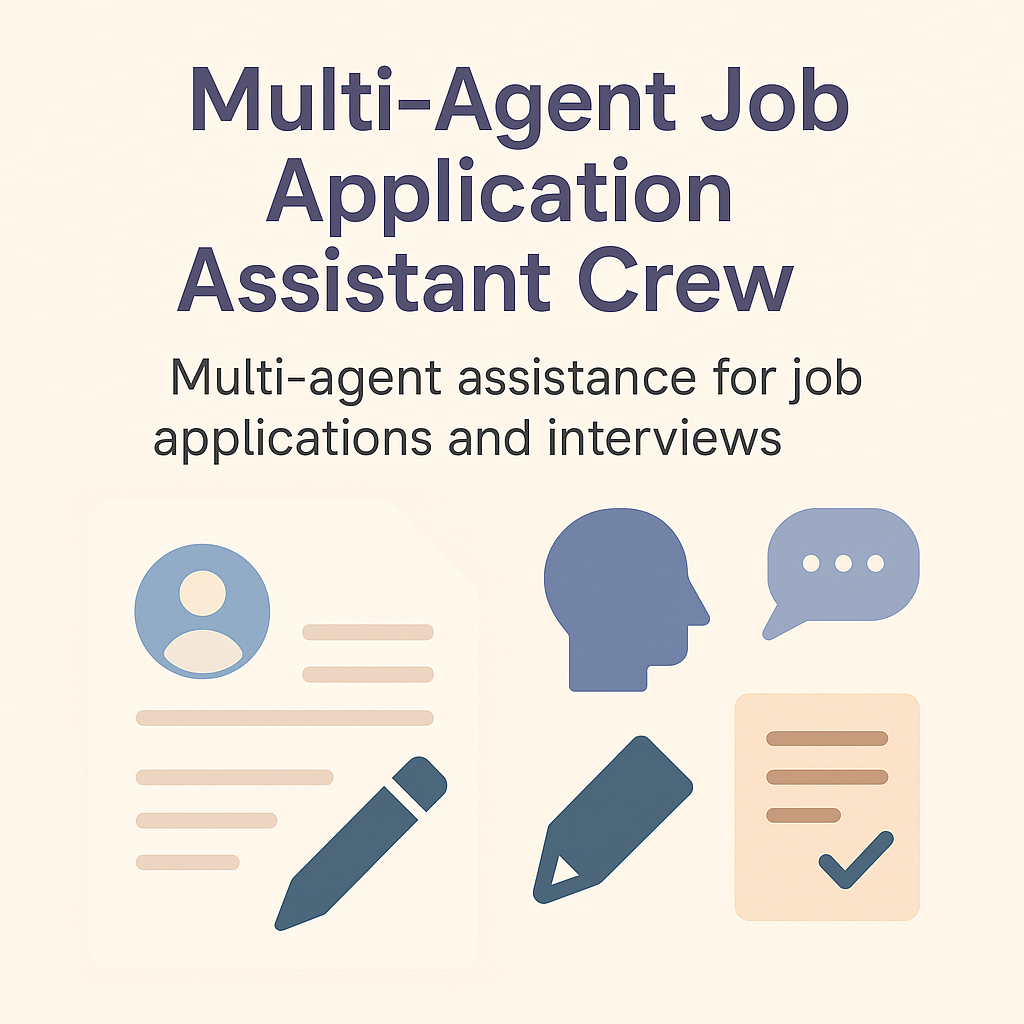
This Multi-Agent Job Application Assistant Crew is a modular, agentic job-seeking assistant built using the CrewAI framework. It uses multiple AI agents to collaboratively generate tailored resumes and interview materials based on a user-uploaded resume (Markdown or PDF).
💼 Upload your resume (Markdown or PDF)
🧠 Agents analyze your experience and target job
✍️ Generate a customized resume
🎤 Get personalized interview prep questions
📄 Download all results with one click
Built using Python, Streamlit, ChromaDB, and CrewAI agents, this project showcases how agentic workflows can automate and enhance the job application process.
Continue reading, explore the app and Github Repo. Thank you!
5: Scientific Research Assistant
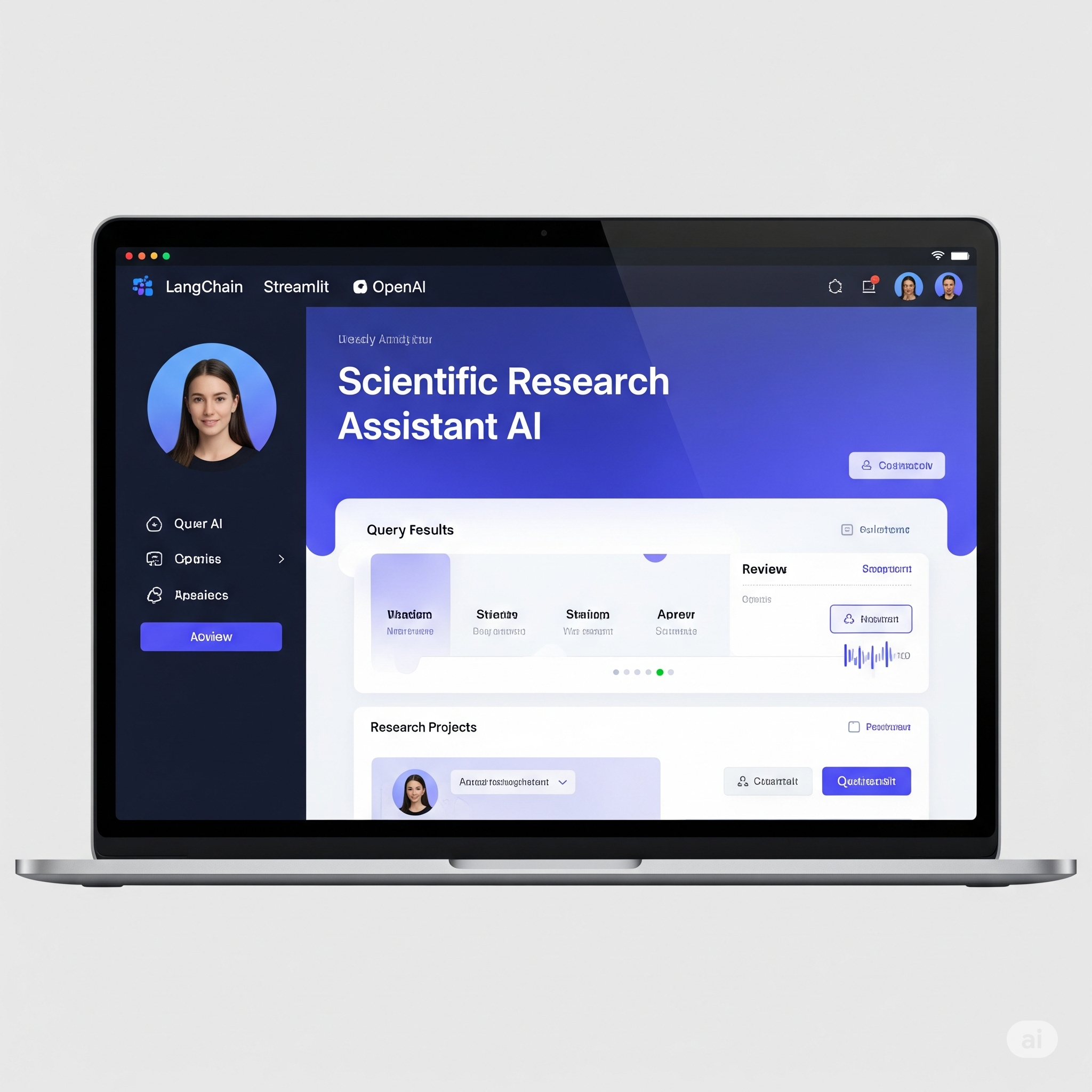
This interactive Generative AI application leverages OpenAI’s GPT-4 to assist with scientific paper workflows. It enables researchers and academics to:
- 📄 Upload a PDF and extract structured text
- 📚 Automatically summarize key findings, objectives, and limitations
- 🧑⚖️ Generate peer reviews in customizable tone (neutral, critical, or supportive)
- 🔗 Analyze citations for recency, diversity, and relevance
The app was built using Python, Streamlit, and OpenAI’s API, and is packaged with secure .env key handling. It serves as a productivity tool for literature evaluation and publication support.
Continue reading, explore the app and Github Repo. Thank you!
6: Predicting COVID-19 Vaccine Hesitancy Among US Adults Using Classification Algorithms
The primary focus of this project revolves around predicting COVID-19 vaccine hesitancy among adults in the United States. To achieve this objective, I employ classification machine learning algorithms and analyze data sourced from the Household Pulse Survey data. Through rigorous examination and interpretation of the data, I aim to gain valuable insights into the factors influencing vaccine hesitancy, ultimately contributing to a better understanding of vaccination patterns and behaviors among the US population…..Continue reading

7: Business Intelligence Projects
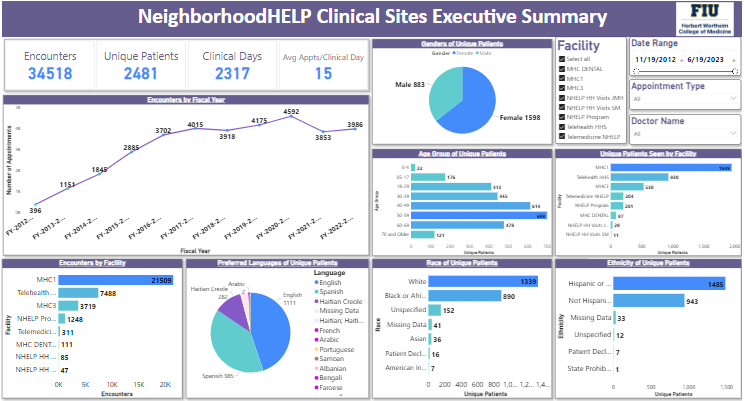
This page displays the gallery of end-to-end business intelligence projects that I have completed. The advanced SQL queries were built to extract the data from MS-SQL server. MS-PowerBI desktop was used to built the business intelligence reports/dashboards and to publish on Power BI service….Continue reading
8: Data Warehouse/Data Engineering Project
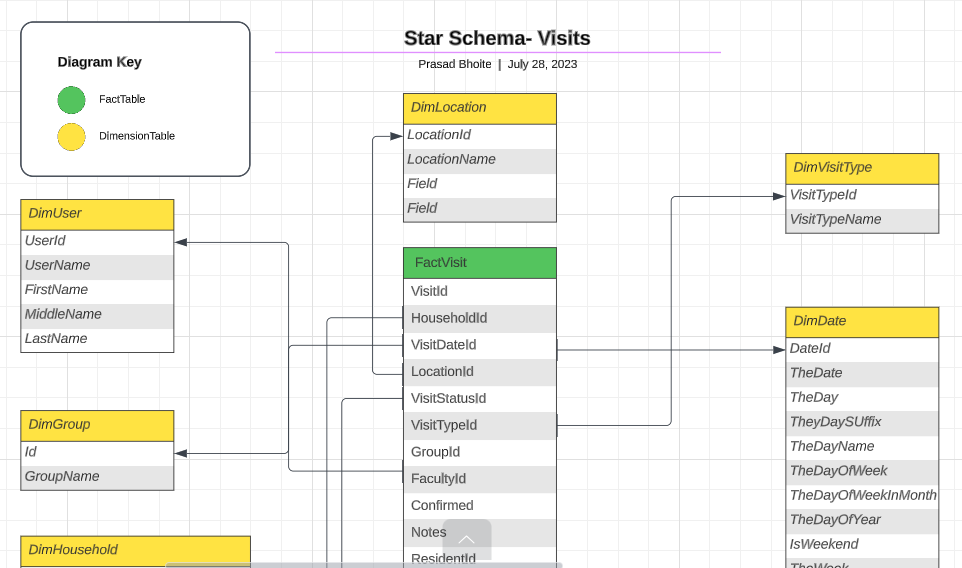
In this project, I played a pivotal role as the lead architect, responsible for meticulously crafting, designing, and spearheading the development of a comprehensive data warehouse on Azure Synapse Analytics. By starting from scratch and leveraging the power of the Azure platform, we successfully built a sophisticated data infrastructure. This endeavor stands as a testament to my formidable data engineering prowess and showcases the depth of my expertise in this domain…..Continue reading
9: Using R to Extract, Organize, & Analyze Complex SDOH Data
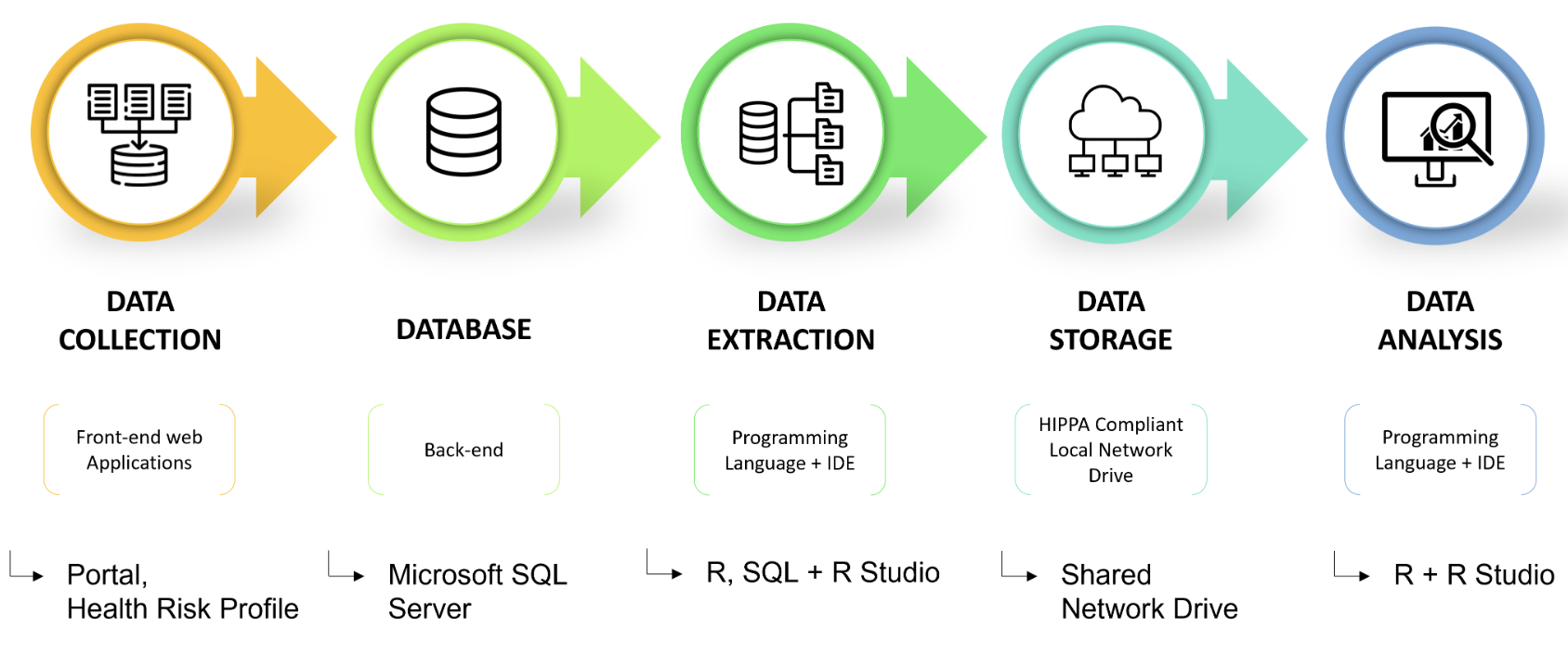
This was an invited presentation to International Data Conference at Miami. This presentation walks through how R is used during end-to-end real life data science project.
This presentation takes you through the example and code snippets to show how R can be used to connect to SQL server databse, for data manipulation, analysis and finally reporting….. Continue reading
10: Effortless Access to Household Pulse Survey Datasets with hpsr: An R Data Package
This project focuses on the development of an R data package- ‘hpsr’, employing tools such as usethis, Rtools, and R Studio.
The methodology involves downloading CSV files from the Census website, optimizing storage efficiency through Parquet conversion and easy storage on Github, further transforming these files into .rda datasets. The culminating step involves sharing the comprehensive package on GitHub as an open-source contribution to the field of data science…… Continue reading